
Interior design, personal style, projects, and the art of living well.
The Art of Modern Luxury in a Historic Home
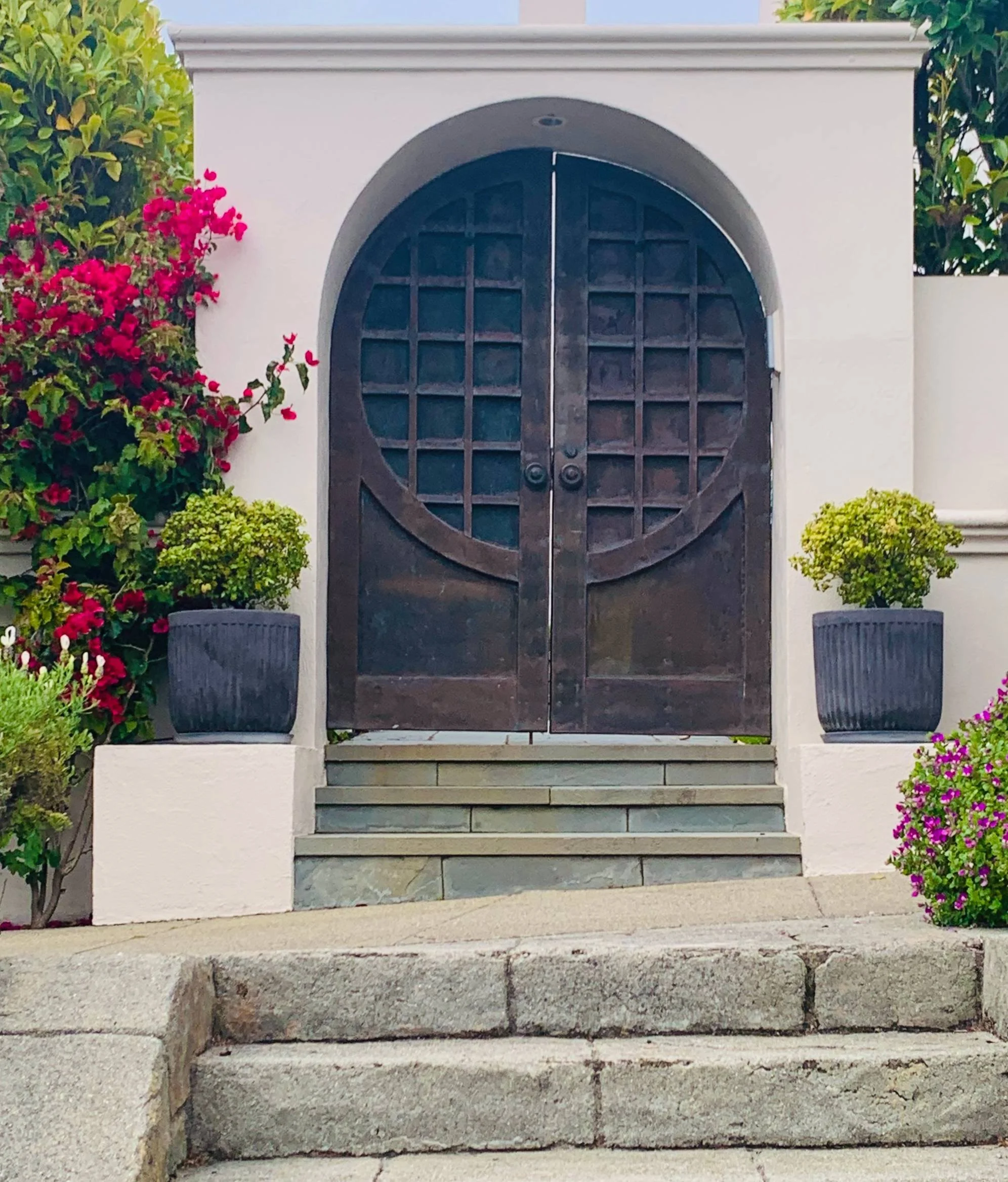
One of the things that makes San Francisco so special is the character of its neighborhoods—and the remarkable homes within them.
Historic homes often reveal their beauty through original dark millwork, French doors with bronze hardware, graceful arched windows, plaster walls, hardwood floors, cast stone fireplaces, and the patina of aged materials.
Yet living in a historic home does not mean living in the past.
I believe the most successful renovations begin with knowing what to preserve, what to restore, what to refine, and where to introduce something new. It’s about respecting the history of the home while creating a place where you can feel comfortable, relaxed, and at ease.
A home should not only look beautiful—it should also feel good to live in.
The result should not feel like a museum. Instead, it should feel as though it has evolved naturally over time, with the right balance of history, comfort, and modern living.
That balance is at the heart of my approach.
Here are a few ways I approach modern luxury in a historic home—preserving what makes the house special while creating a home that feels elegant, relaxed, and timeless.
Why Refined Homes Take Time
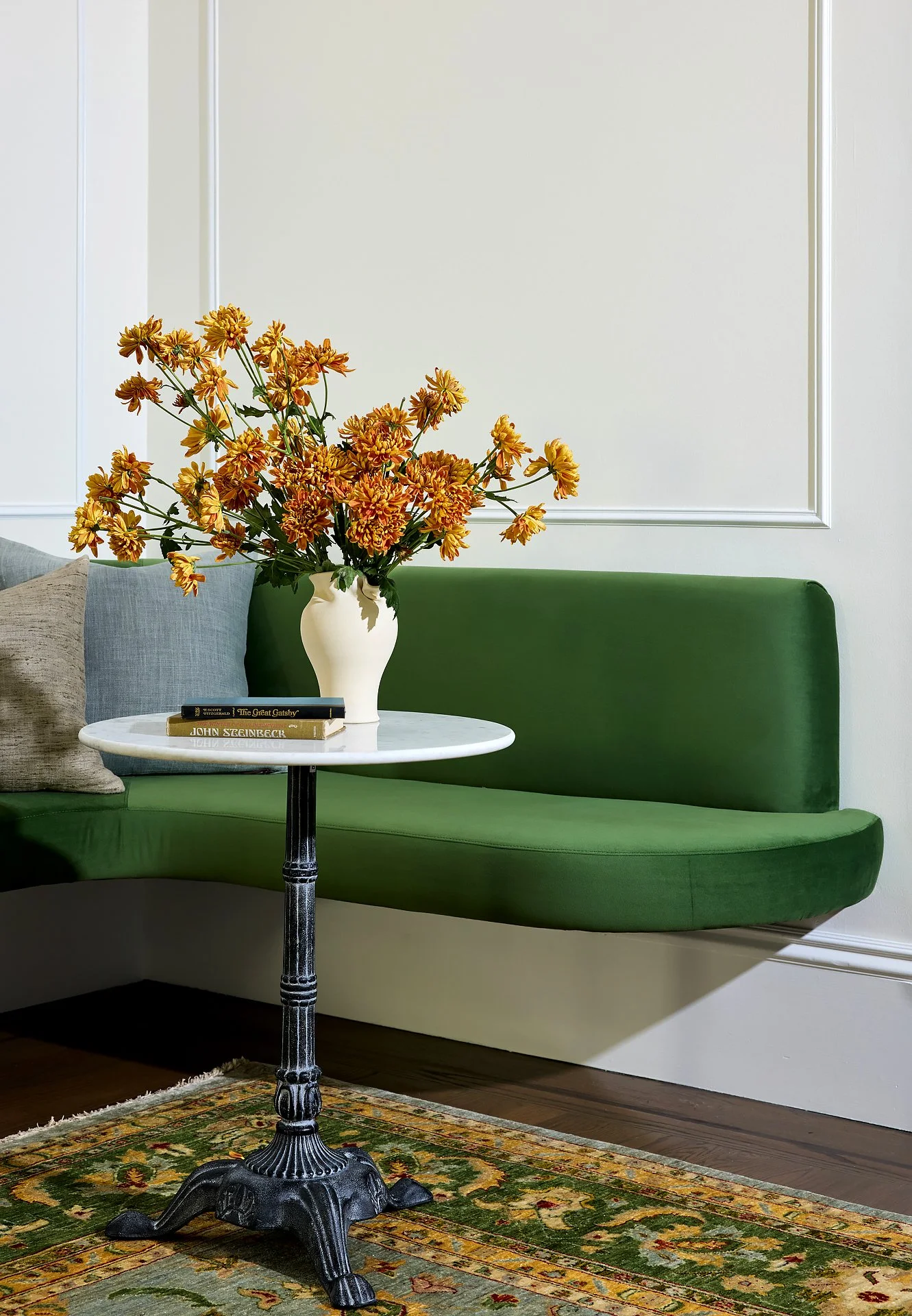
Completing a design project and completing it well are two very different things.
A home that feels effortless, deeply personal, beautifully crafted, and timeless is the result of thoughtful planning, skilled craftsmanship, and seamless collaboration grounded in clear communication, mutual respect, and countless intentional decisions made along the way.
The refined homes my clients cherish most are rarely the ones completed the fastest. They're the ones that stand the test of time because every decision was made with intention, every detail was thoughtfully considered, and quality was never compromised. Those are the homes I strive to create. In my experience, they're always worth the wait.
The Value of a Principal-Led Design Experience
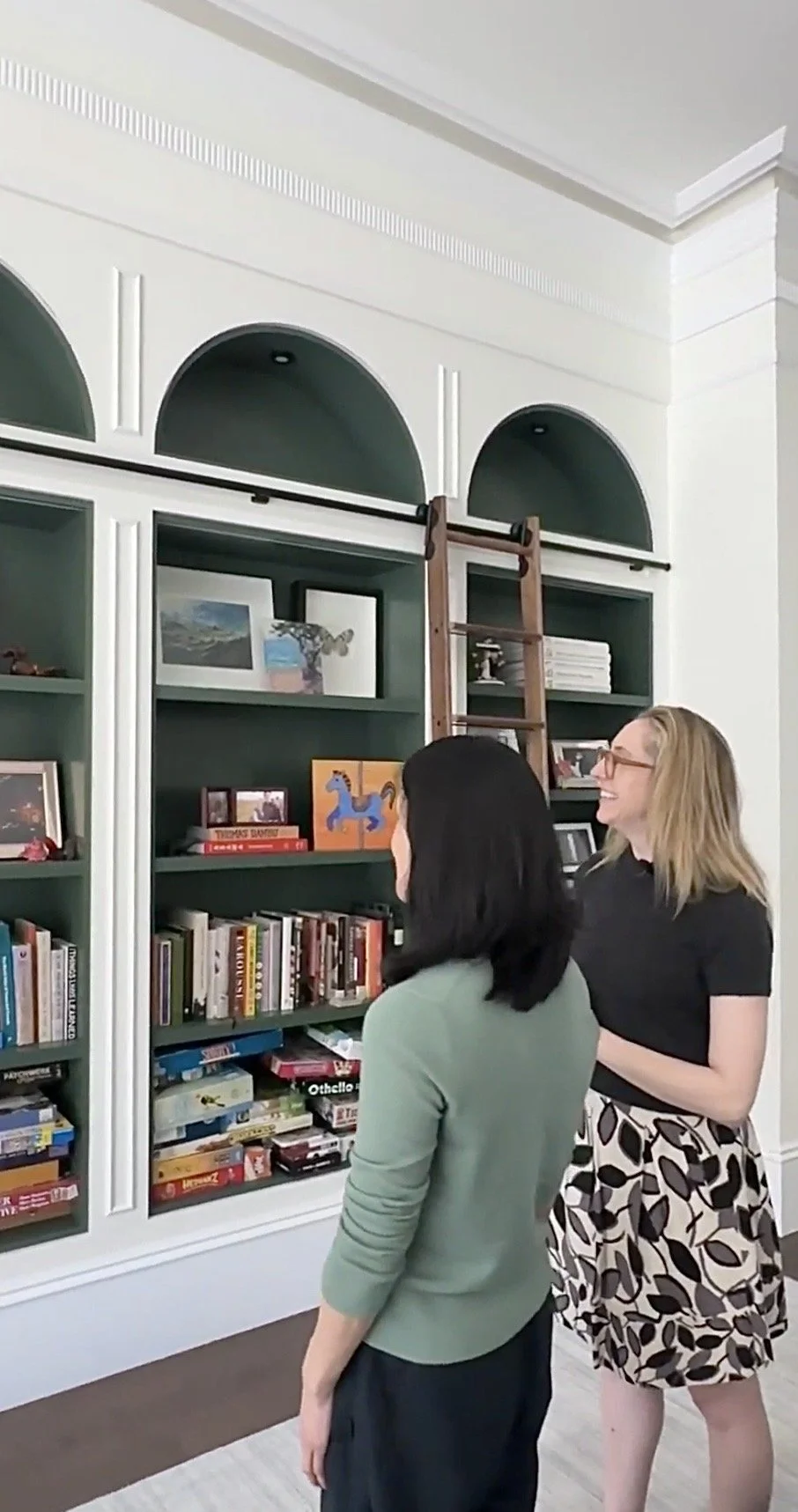
The most meaningful homes are not created through individual decisions alone. They come from collaboration—bringing together the designer’s expertise, your story, and a unified vision to create a home that truly reflects how you live.
A principal designer provides more than creative direction. They bring experience, perspective, and leadership to every stage of the process, helping you navigate complex decisions with clarity and confidence. From understanding how you want your home to feel and function to selecting materials, furnishings, and finishes, each choice is considered as part of the larger design.
Working directly with the principal interior designer as your single point of contact creates continuity throughout the project. You have one person who knows your home, understands your priorities, and remains connected to every decision from concept to completion. This direct relationship makes communication more seamless and ensures that all the layers of the design work together.
The result is a home that feels elevated, comfortable, and deeply connected to the people who live there.
Elevated Primary Bathroom Sanctuary Case Study
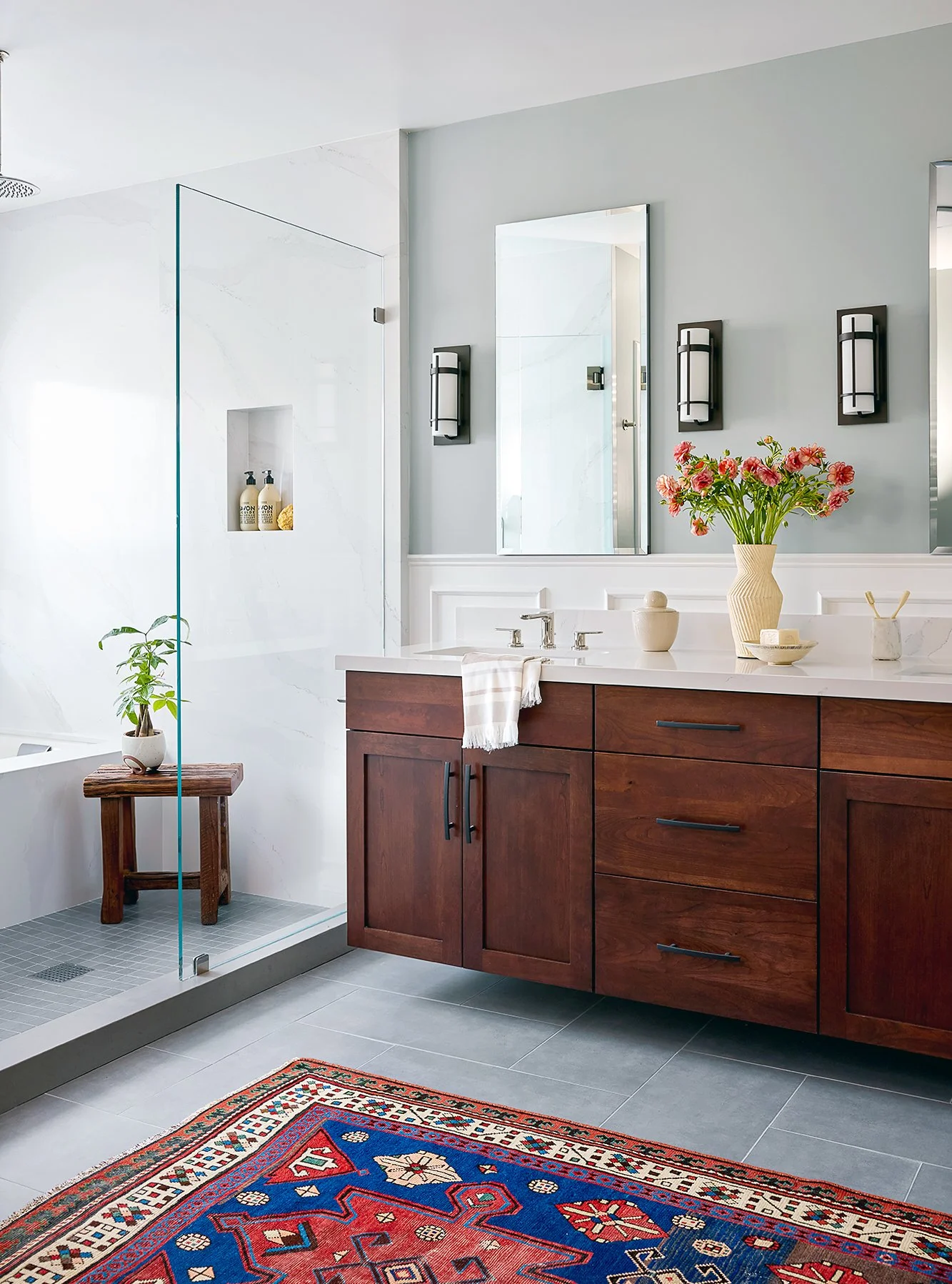
Some projects stay with you long after they’re complete. This is one of them.
From the beginning, my clients placed an incredible amount of trust in me—giving me full creative freedom to design and manage every detail from start to finish. That kind of trust is rare, and it allowed me to do my best work. What we created together is a home that feels deeply personal—layered with meaning, intention, and refinement. Somewhere along the way, my clients also became a friend.
But the story didn’t begin there.
This project has quite a history. It began in 2016 with another interior designer, but the initial plans the designer created were not approved by the city due to the scope of structural and seismic work required to extend the primary bathroom by three feet, which required a licensed Architect to calculate, stamp, and sign the structural and seismic portions of the drawings for plan check. After years of revisions and challenges in securing a permit, the previous designer eventually consulted with an architect to review, revise, and stamp the drawings. The city ultimately approved the plans, and the project was able to move forward.
I joined the project in 2021 after the clients decided to part ways with the previous designer.
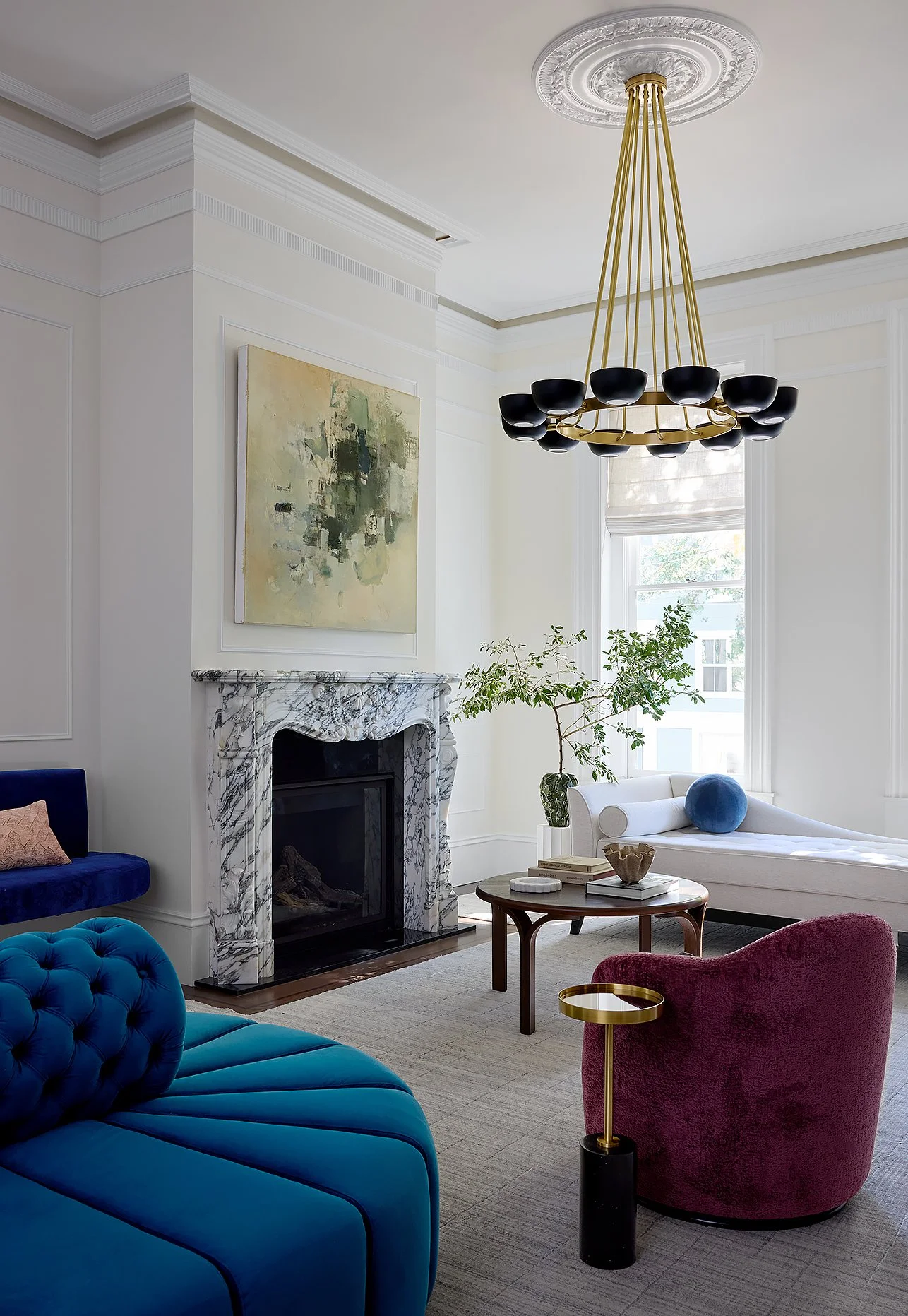
Parisian Inspired Luxury Living Room Case Study
A Living Room inspired by the clients’ time in Paris, showcasing custom millwork, curated furnishings, and refined architectural detailing—each element thoughtfully composed with intention, harmony, and enduring sophistication.
Beyond its elegance, the spaces tell a deeply personal story. Designed for connection and gracious entertaining, it is equally a private sanctuary—an environment that reflects my clients’ authenticity and stands as a true source of joy in their everyday lives.
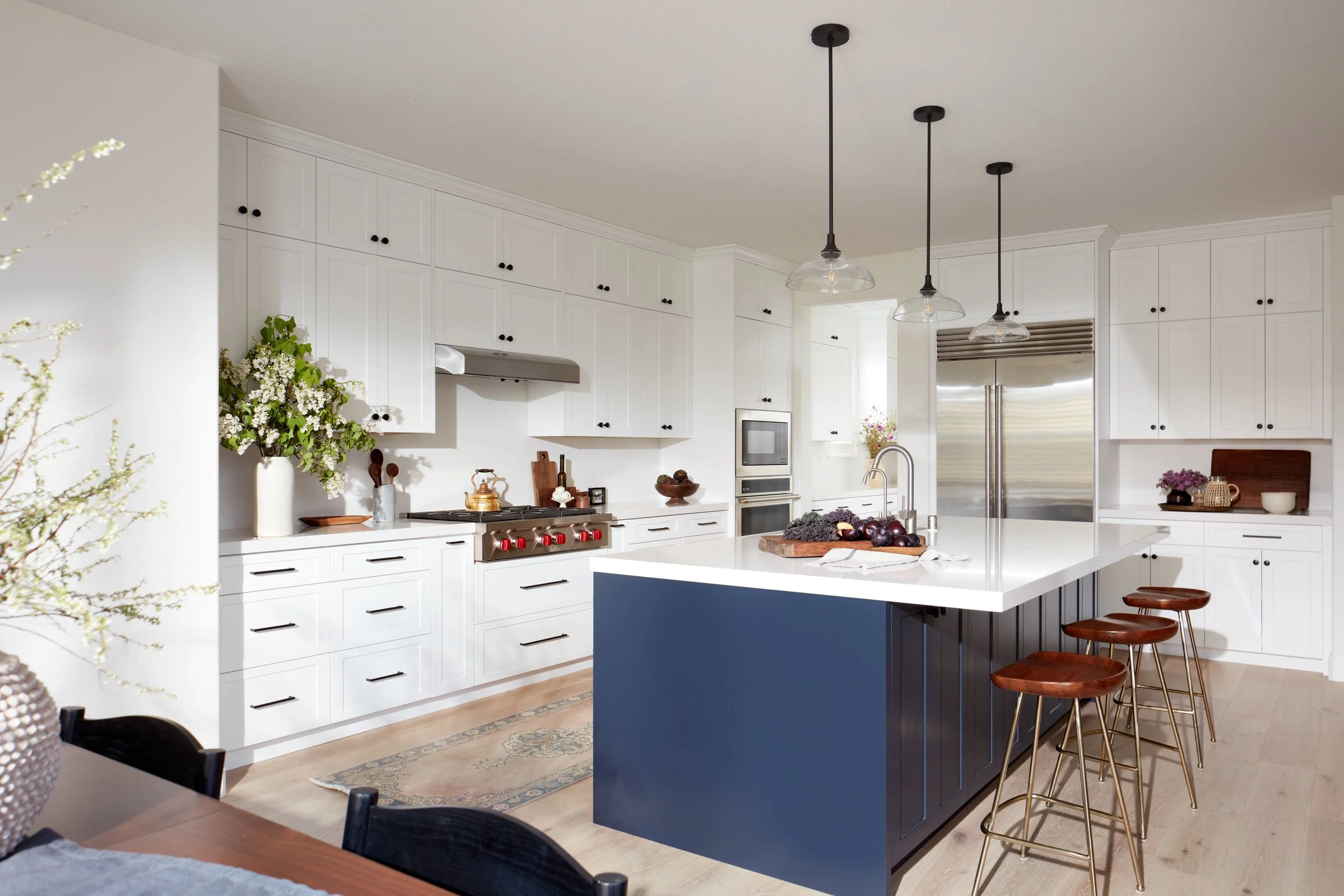
From Builder-Grade to A considered Kitchen Case Study
An acquaintance (through a mutual connection) reached out a year before beginning their project, as they were starting to envision a home that would feel warm, inviting, and perfectly tailored for their family. Having never worked with an interior designer, they initially had reservations about entrusting someone with executing their vision. While they had explored other designers, they ultimately chose to collaborate with me—drawn by our mutual connection and, most importantly, the immediate sense of trust they felt.
They hadn’t initially envisioned a large-scale transformation. Their plan was modest: reface the kitchen cabinetry, select new appliances, replace granite countertops, update the kitchen flooring, refresh the interior paint throughout, and select a new sofa for the family room.
But what they truly sought went deeper. They imagined a home that felt warm, cozy, and airy—yet refined, timeless, and uniquely tailored to their family’s lifestyle.

20 Reasons to work with an Interior Designer
Stanley Ambercrombie, one of the most influential design writers of our time and the editor for Interior Design magazine said it best. "Art is worth paying for because, in these days of social discontent and random violence, in these days of homelessness, drugs, guns, and pandemic, when our urban environments are becoming gradually more brutalized, we increasingly need both physical and mental refuge from that brutalization. We need the solace of interiors that are not only intelligently functional but also intelligently artful. In these days more than ever, the art of interior design is worth paying for, because a heightened quality of life is worth paying for." I agree wholeheartedly.
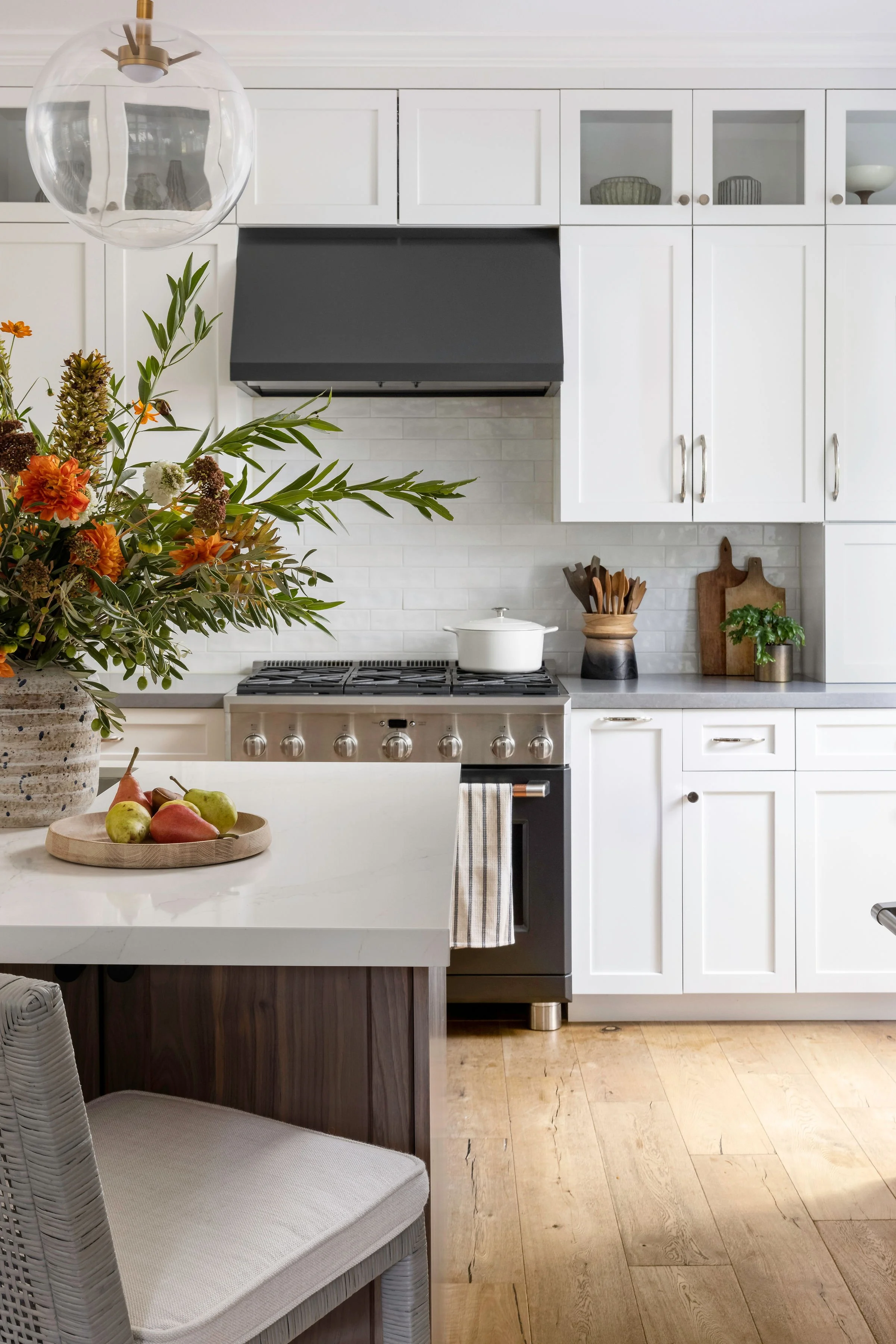
Why Material Harmony Matters as Much as Color in Interior Design
Color is often the first thing people think about when updating their home or refreshing a space. It’s immediately visible and can instantly change the look and feel of a room. While color sets the tone, texture is what truly brings a space to life. Texture and color work best when they support each other rather than compete. Material harmony—the way finishes, fabrics, and surfaces interact together can be just as powerful, if not more so, than color alone.
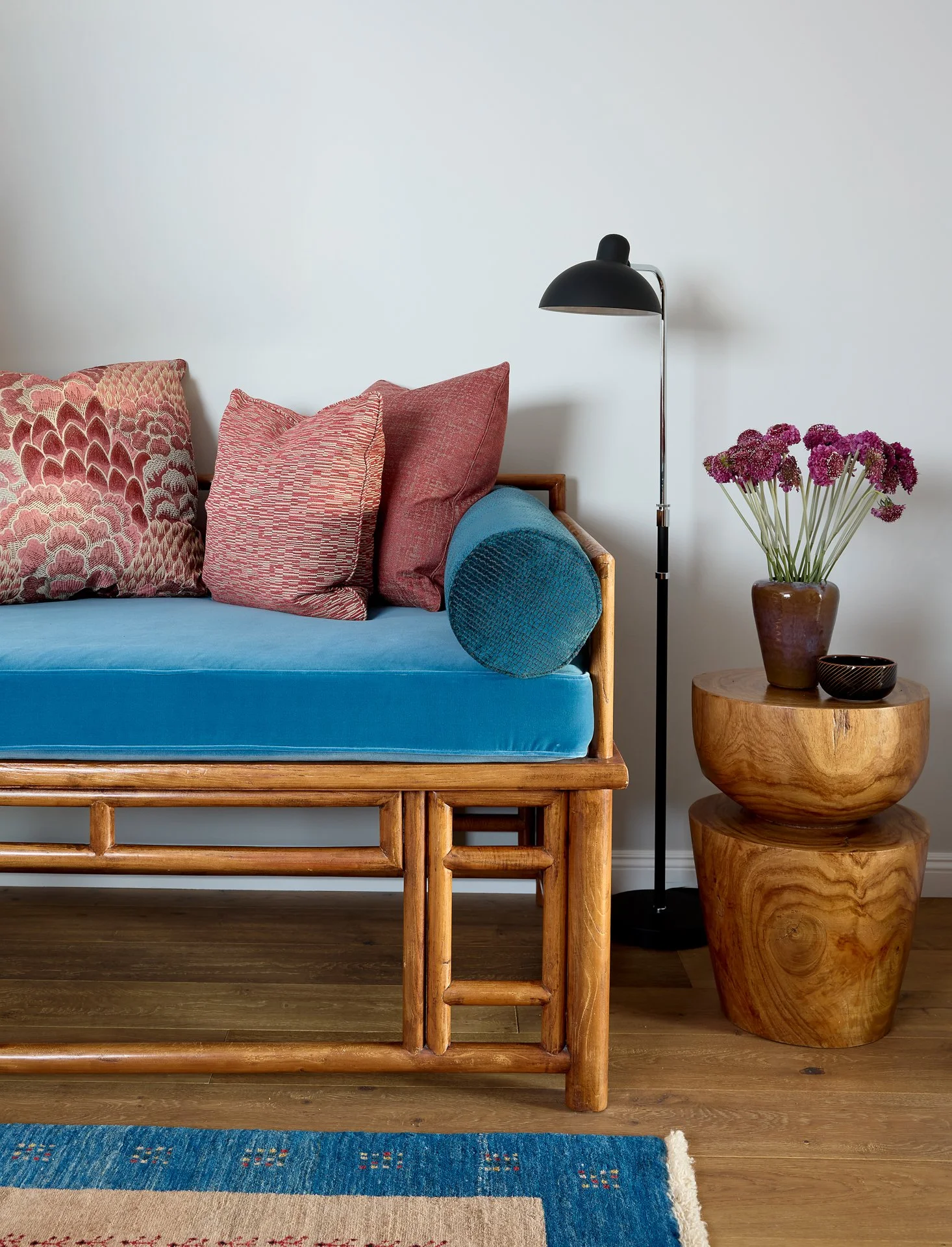
The Emotional Power of Color in Interior Design
Color has the power to energize, inspire, and calm us, sometimes all at once. When coming up with designs for clients, I like to start with a neutral base. I let the impressions of the walls, ceilings, and trim exist in neutral color palettes because I find that most clients feel safest with a calm, neutral color, and it creates a grounded backdrop for the whole home. From there, I layer in bold, rich, deeply saturated hues through fabrics, furniture, art, and styled accents. This approach keeps the space timeless and harmonious while still giving it personality and depth.