Why Great Design Is Never Measured in Square Footage
How thoughtful interior design creates beautiful homes of every size.
Miss Alice Designs
For decades, luxury has often been associated with more—more square footage, more rooms, more possessions. Yet some of the most memorable homes I’ve designed are not the largest.
They are homes where every room serves a purpose, proportions feel balanced, natural light is carefully considered, and materials are thoughtfully selected. Every element supports how the home is experienced and enjoyed.
Great design is not about size. It’s about intention, craftsmanship, and creating spaces that feel authentic to the people who live in them.
One of the compliments I value most is hearing that a home I’ve designed feels comfortable and natural—not sterile or museum-like, but warm, inviting, refined, and effortlessly welcoming.
Whether designing a small condominium or a large custom residence, the same principles apply: every square foot should serve a purpose, every room should support daily life, and every material should contribute to a sense of warmth and longevity.
In today’s design culture, we are often surrounded by images of expansive estates and celebrity mansions. While these homes are inspiring, square footage alone has never been the measure of great design.
Some of the most rewarding projects I’ve worked on are those where every inch must work harder. Designing within a smaller footprint requires careful planning, creative problem-solving, technical precision, and thoughtful restraint.
Regardless of size, the homes that endure are those that support everyday life with ease, reflect the homeowner’s values, and feel good to live in—not just look at.
The following 6 principles explain why thoughtful design—not square footage—ultimately determines how a home feels, functions, and evolves over time.
1. every square foot serves a purpose
A defining characteristic of great design is the balance between function and beauty. Regardless of size, space should serve a clear purpose and meaningfully support the way its homeowners live each day.
In a smaller home, every square foot matters. Rooms often serve multiple functions, storage must be considered and thoughtfully integrated, and furniture should be carefully selected and scaled to maximize both comfort and usability. These constraints require intentional, creative problem-solving, as each design has a meaningful impact on how the home looks, feels, and functions.
Larger homes present a different set of possibilities and challenges. While ample square footage can create a sense of openness, it can also result in rooms that are rarely used or spaces without a clearly defined purpose. I have seen expansive homes where oversized rooms, long corridors, and empty areas create a sense of disconnect rather than comfort. Instead of flowing naturally from one space to the next, the home can feel fragmented, with negative space interrupting the overall experience.
Great design isn't about creating more space—it's about making every space count. Whether a home is small or large, each room should contribute meaningfully to the overall experience and work together as part of a cohesive whole.
A thoughtfully designed home is not measured by its perceived scale or square footage. It is defined by how well it supports everyday life. Through carefully layered materials, lighting, and meaningful details, a home becomes welcoming, refined, timeless, and deeply personal. When every room is designed with intention, the home naturally encourages gathering, conversation, relaxation, and the daily rituals that make a house feel like home.
2. proportion creates comfort
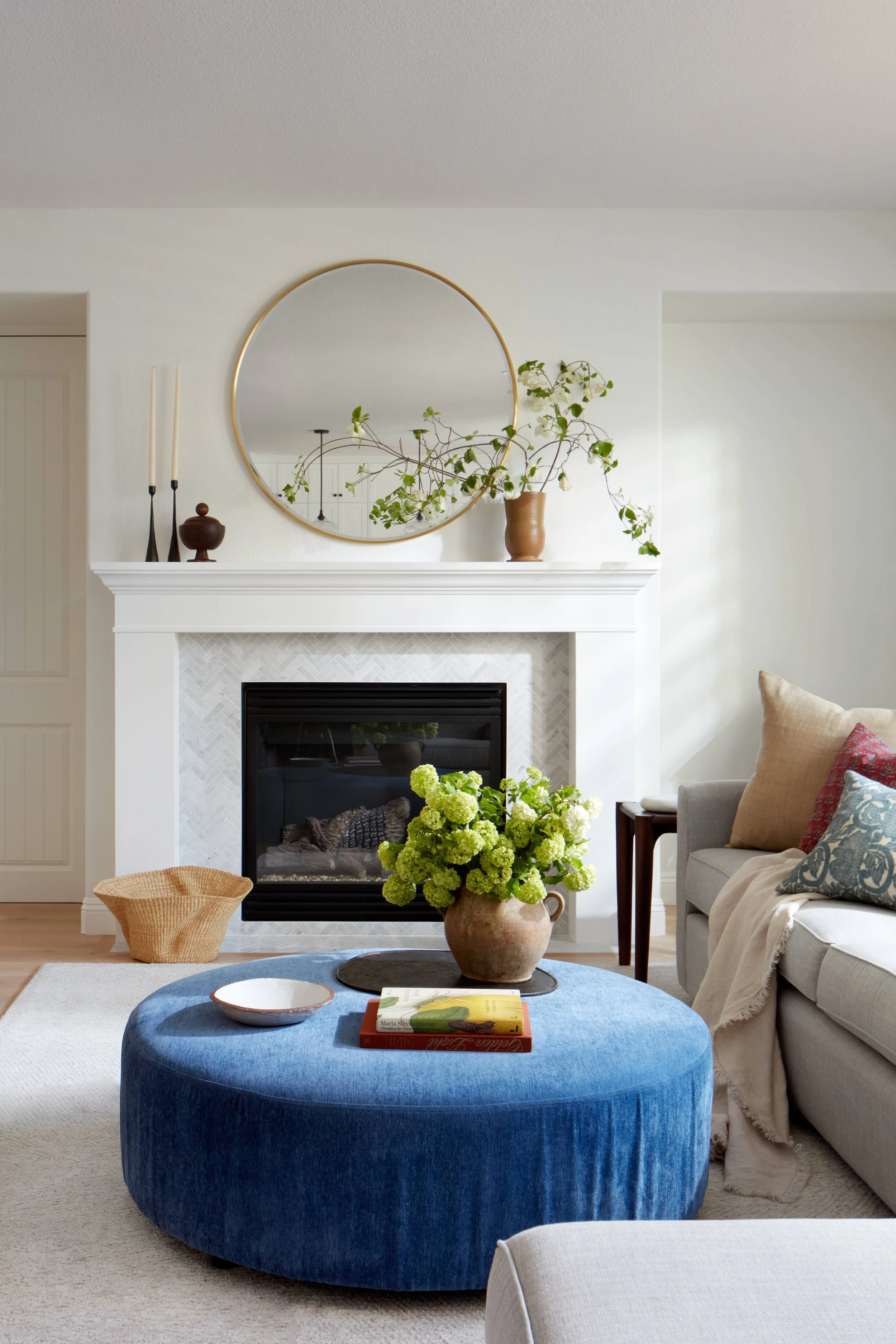
The most memorable homes I have experienced are those where scale and proportion work together to create a sense of visual harmony, and where natural light, rich materials, subtle textures, and comfortable seating invite people to relax, gather, and linger. These principles become even more important in smaller spaces, where every design decision carries greater weight.
When architecture, furnishings, color, texture, and finishes are thoughtfully layered, a room feels composed, inviting, and naturally refined.
In a well-designed interior, ceiling heights relate naturally to the furnishings, circulation flows with ease, and each element is intentionally connected to the next. Nothing feels excessive, overwhelming, or out of place; instead, the home feels balanced and complete.
Whether in a small flat or a grand Victorian home, proportion brings every element into a cohesive whole. That quiet sense of balance is what makes a home feel welcoming, comfortable, and timeless.
3. Light and Flow Shape the Experience
Without thoughtful lighting and clear spatial planning, even a well-proportioned space can feel heavy, disjointed, or incomplete. When light and layout are considered with intention—regardless of square footage—a home feels open, harmonious, and comfortable, which is what a home should feel like.
Light is one of the most essential elements of architecture. Natural daylight sets the rhythm of a space, shaping how it is experienced throughout the day and helping establish a sense of clarity and calm. When layered with ambient and decorative lighting, it adds depth, warmth, and dimension, transforming visually flat rooms into living, dynamic spaces.
Flow is equally essential. It is about how spaces connect, how movement unfolds from one space to the next, and how sightlines guide the experience of a home. Sightlines are what transform a collection of rooms into a cohesive experience. They establish focus and create continuity. When circulation is intuitive, they allow a home to feel effortless. Instead of trying to figure out how to navigate a space, you simply move through it.
True comfort comes from the balance of these two elements — from how light shapes each room and how flow brings everything together. When both are considered with precision, a home transcends its dimensions—it simply feels right.
Great design is not about how much space you have, but how well that space is experienced and felt.
4. quality outlasts quantity
One well-crafted, high-quality piece designed to last for decades will always hold more value than 10 poorly made items that are quickly replaced. In reality, the cost of repeatedly purchasing low-quality pieces often exceeds the investment in fewer, better-made items when considered over time and use.
Why is this important in design? Because great design is rooted in longevity, intention, and refined simplicity. When each piece is chosen with care and built to endure, a home moves away from excess and the short-lived nature of mass production and becomes a tailored interior where quality defines both experience, delight, and long-term value. This approach not only elevates everyday living but also creates homes that remain timeless, functional, and customized to the homeowner's way of living.
5. craftsmanship matters more than size
Craftsmanship is essential at every level—from the selection of materials to the quality of construction and the expertise of everyone involved in the process, regardless of scale. As with the principle that quality outlasts quantity, well-executed design matters far more than square footage and endures over time.
It is revealed in the details — in custom architectural millwork that brings character, warmth, and refinement to a living room, in precisely fabricated stone, where marble veining flows seamlessly across a vanity countertop and backsplash or continues uninterrupted from the deck of a bathtub down its apron, and in custom rift-sawn oak cabinetry and closets, where the straight, linear grain creates a quiet sense of warmth and understated elegance. It is also experienced through radiant floor heating beneath your feet on a winter morning, beautifully crafted arched windows that frame views and welcome natural light, and the thoughtful details that quietly elevate everyday living.
When a home or renovation is not built in alignment with the design intent and elements must be reworked or reinstalled, it not only compromises the integrity of the design but can also extend project timelines, regardless of size. For this reason, craftsmanship is critical in great design, ensuring that design intent is carried through with precision from concept to completion. These are the details that homeowners may not immediately notice individually, but together they create a home that feels refined, enduring, and beautifully crafted for generations.
6. supports the life you want to live
Square footage measures capacity. Great design measures experience.
A beautiful home is rarely defined by its size. It’s defined by how it makes people feel, how effortlessly it functions, and how naturally it supports the way people live. A thoughtfully designed 1,200-square-foot condo can often feel more comfortable, inviting, refined, and memorable than a poorly planned 5,000-square-foot home.
In recent years, many homeowners have shifted their priorities. Rather than pursuing more space for the sake of it, they are seeking homes that reflect their values, support their lifestyle, and enrich daily life.
While a larger home may offer more room, it is thoughtfully layered design that creates a richer way of living—one that feels authentic, meaningful, and deeply personal. The best homes do not simply maximize square footage—they maximize comfort, beauty, functionality, and the quality of everyday life.
They create opportunities for gathering around the kitchen island, quiet mornings with a cup of coffee, celebrations with family and friends, and the everyday rituals that become lasting memories. Ultimately, great design is not measured by the size of a home, but by how well it supports the life you want to live. A home that brings comfort, joy, connection to the soul, and a sense of belonging will always hold greater value than one defined only by its square footage.
Ready to begin your journey toward a home that reflects your lifestyle and aesthetic? Schedule a complimentary 30-minute discovery call today.
👉 Click here to book your call.